63. Being a do be, not a don’t be.

Image

Voyeurism can be a problem for creatures that mate outdoors.


British psychiatry is a bullet-riddled corpse lying in the gutter, but people are still stopping by, from time to time, to give it another kicking.

It’s in a similar condition to other twentieth century institutions, like organised religion, nuclear power and the Co-op. They are zombies, but they are still staggering forwards, muttering incoherently.

The bullets come from many directions. No new drugs, no new therapies, massive cuts in hospital and community services. Very few medical graduates are coming forward to work in the speciality.

Attacking British psychiatry in 2014 is equivalent to laying into Workington F.C. for finishing bottom of the Conference League (North).

This time, the would-be assassins are a group called the Council for Evidence Based Psychiatry (CEP), who are attempting an anti-psychiatry re-launch, this time under an ‘evidence-based-medicine’ banner.  Some of their argument turns on the (lack of) benefits and dangers of antidepressant drugs.

None of this criticism is new, and like all negative campaigns, this one will fall victim to the ‘negative halo effect’ that surrounds mental health information. It’s guaranteed to make people hop channels. The media won’t be interested unless one of the following crops up: colourful brain scan, or samurai sword.

Like progressive rock, anti-psychiatry belongs to a former era. CEP might just as well attack any other long demised evil empire, such as the Soviet Union or the Barons, or Marlborough Man. They could still be yelling ‘Judas’ at Bob Dylan for ‘going electric’ in 1966. They are probably still worried about the fuel tanks on the Ford Pinto.

To be fair, there is a lot to be critical about in modern psychiatry. Many of the points made by CEP are manifestly true, much as the programs ‘grumpy old men / women’ make accurate observations about modern life. It’s easy to criticise and there’s so much to be critical about. But what is the aim? To rant and rave, or to get more resources for non-drug treatments? To do that, the battle has to be fought in the context of public attitudes towards mental health problems.

Back in the middle of the last century, some very creative and brave researchers attempted to find out what ‘ordinary people’ knew and felt about mental illness. There were a number of milestone studies, such as those by Shirley Star in Chicago, Cumming and Cumming in Canada, and Gatherer and Reid in England.

These studies found that people tended to stereotype the mentally unwell person as dangerous and unpredictable. They were slow and reluctant to consider someone to be mentally ill, but once they did, they tended to avoid that person. The aim of these researchers was to reduce stigma by designing public education programs. Sadly, no-one is paying attention to what they found out, which basically, was: 1. ‘stay positive’ and 2. don’t attempt to pretend that mental illness does not exist – people are hard-wired to believe that it does.

Attempts to alter people’s attitudes toward mental illness failed because of the negative halo effect. In the case of the Cummings, they were eventually forced to leave town, hence the name of their book, ‘Closed Ranks’.

The researchers attributed this to an attempt to advance the notion that mental illness was something that could happen to anyone. People just wouldn’t accept that.

Interestingly, now it is the psychiatrists and nurses who are closing ranks. The worry is that what remains of the mental health industry will turn in on itself, similar to police departments, such as the West Midlands Serious Crime Squad or LAPD after Rodney King.

One sign of this is the Royal College of Pyschiatrists’ accusing itself of institutional racism, following in the footsteps (smaller size, obviously) of the Metropolitan Police. Another sign is the defensive sort of response service users get from NHS Trusts in response to queries.  There are odd attempts at ‘whistle-blowing’, but in the NHS, that’s basically a one-way ticket to the Ecuadorian Embassy.

Closing ranks is not the answer, nor is smashing the system. Everyone knows that Psychiatry is the Cinderella specialty. The neglect, in all its forms, including poor quality treatments, is down to negative public attitudes. The Turning Away, as Floydians would put it. The solution, so obviously, is better media coverage.

Here’s an example of a positive strategy: in Liverpool, The Readers Organisation has been pursuing positive mental health by setting up Reading Groups for people with Depression*.

Results have been very promising, although the evidence base would doubtless fail to satisfy the CEP. Probably they will start to identify victims of literature instead: ‘Hi, I’m Charlie. I’ve been catatonic since I read Silas Marner’.

It’s already been shown that reading challenging literature causes bits of brain to light up in bright colours. Surely its time for a controlled trial of Wordsworth versus Prozac?

Although ‘ECT versus Titus Andronicus’ was turned down by the Ethical Committee.


*An investigation into the therapeutic benefits of

reading in relation to depression and well-being: http://www.thereader.org.uk/media/72227/Therapeutic_benefits_of_reading_final_report_March_2011.pdf

62. Displaying the pottery fish, with pride.

Image

My alarm clock rings to tell me it’s behavioural activation time, also known as Nike Therapy, which means just do something and think about it later, if ever.

My eventual aim is to re-write the classic publication ‘365 things to make and do’ in an updated style to suit these post-ironic times. Also, I’d like to add a 366th project before 2016, which is the next leap year.

Today’s project is to shred a few copies of the NICE guidelines for Depression, mix them with PVA and turn them into hats.

As I shred, I realise that these guidelines do mention the term ‘behavioural activation’ but don’t explain how to do it. They say nothing about arts, crafts, music or hats. Which is surprising, given that there is a long tradition of arts and music therapy in mental health.

My hypothesis is that people need to do something with their hands to feel properly human. Manual work, crafts and organised sport have declined, leaving the hands as mere vestiges of devices that once could dig or sew or fire an arrow. Most people still prefer a mouse to a touch screen, when there is a choice. Many people still prefer a manual gearbox, even though automatics are now superior in all respects.

I have another project coming along which is more complicated. This involves taking photos of bits of stained glass windows, printing them in different sizes, using all the different, clichéd image filters in Pixelmator (such as the ‘ennui’ tool), tearing them up and sticking them onto a collage, which in itself looks like a stained glass window.

For some reason I’m having trouble (as though it was the printer’s fault rather than incompetence on my part) getting them printed at the right size, so they are coming out like postage stamps instead of A4.

If I had to give this activity an hourly rating for mood improvement, I’d have to rank it slightly below checking the lawn for cat faeces, collecting it on a special trowel and flinging it over the garden fence onto the railway line. But it might improve.

Either the picture is going to be postcard size, saving a lot of PVA, or I’m going to have to ask a teenager how to resize the images. Or perhaps find an art therapist, just to check whether this whole activity is artistic or not.

There are no art or music therapists in my local area and come to think of it, none in the hospital where I work. This demise of arts and crafts based therapies has been insidious and largely unreported. This seems like a pity, and I wonder who’s to blame.

Somewhere or other, the mental health establishment has got the idea that ‘therapy’ has to involve a bus journey across town to speak to a person in an office for about an hour once a week for about 20 weeks. True, these activities are evidence-based to an extent. It’s just that the evidence has been collected along narrow strands of enquiry, being derived mainly from a ‘clinic’ context.

No-one has bothered to see whether listening to good music or watching football or making rhubarb crumble can treat Depression effectively. And imagine the practical difficulties in conducting such studies.

Therapies where numerical ratings are intrinsic, such as computerised CBT, have the advantage in terms of generating evidence of improvement. They have largely taken over from other modalities, leaving a long queue of psychoanalysts at Jobcentre Plus.

There’s perhaps a lesson to be learned from Interpersonal Psychotherapy, (IPT). This therapy was invented by Klerman, Weissman and colleagues in the eighties. It’s a standardised approach with a proper instruction manual, which makes it amenable to testing. In particular, it was tested against drug therapy – in those days mainly tricyclic antidepressants.

Its designers were highly scientific individuals with an excellent grasp of the various different ‘models’ of Depression: biological, family, cognitive, psychoanalytic, feminist etc. They knew how to fund and conduct controlled trials and publish the evidence properly. And thus IPT is one of the two types of therapy that NICE bother to endorse.

Compare that approach with a study by Mike Crawford in 2012, purporting to show that weekly attendance at a group arts project had no benefit for patients. I quote:

‘Members of activities groups were offered activities that did not involve the use of art or craft materials’.

My italics, meaning ‘why on earth not?’ It’s not the full Blue Peter, not without the sticky-back plastic.

This is what the new version of ‘365 Things’ should try and achieve – a standardised arts and crafts therapy manual. So we can finally show that meaningful activity is good for people. Each task should be spelled out clearly, like in Marguerite Patten’s 1000 favourite recipes.

And include proper materials like policy documents, shredders, glue and paint. For a long time the surest way to upset an occupational therapist was to mention basket weaving. Now, I say it’s about time for a raffia revival. And it’s time to display the pottery fish, if you’re lucky enough to have one.

Image


 Detail from Queen of Heaven, by M Healey, 1933, St Brendan’s Cathedral, Loughrea

60. Finding more cultured friends.

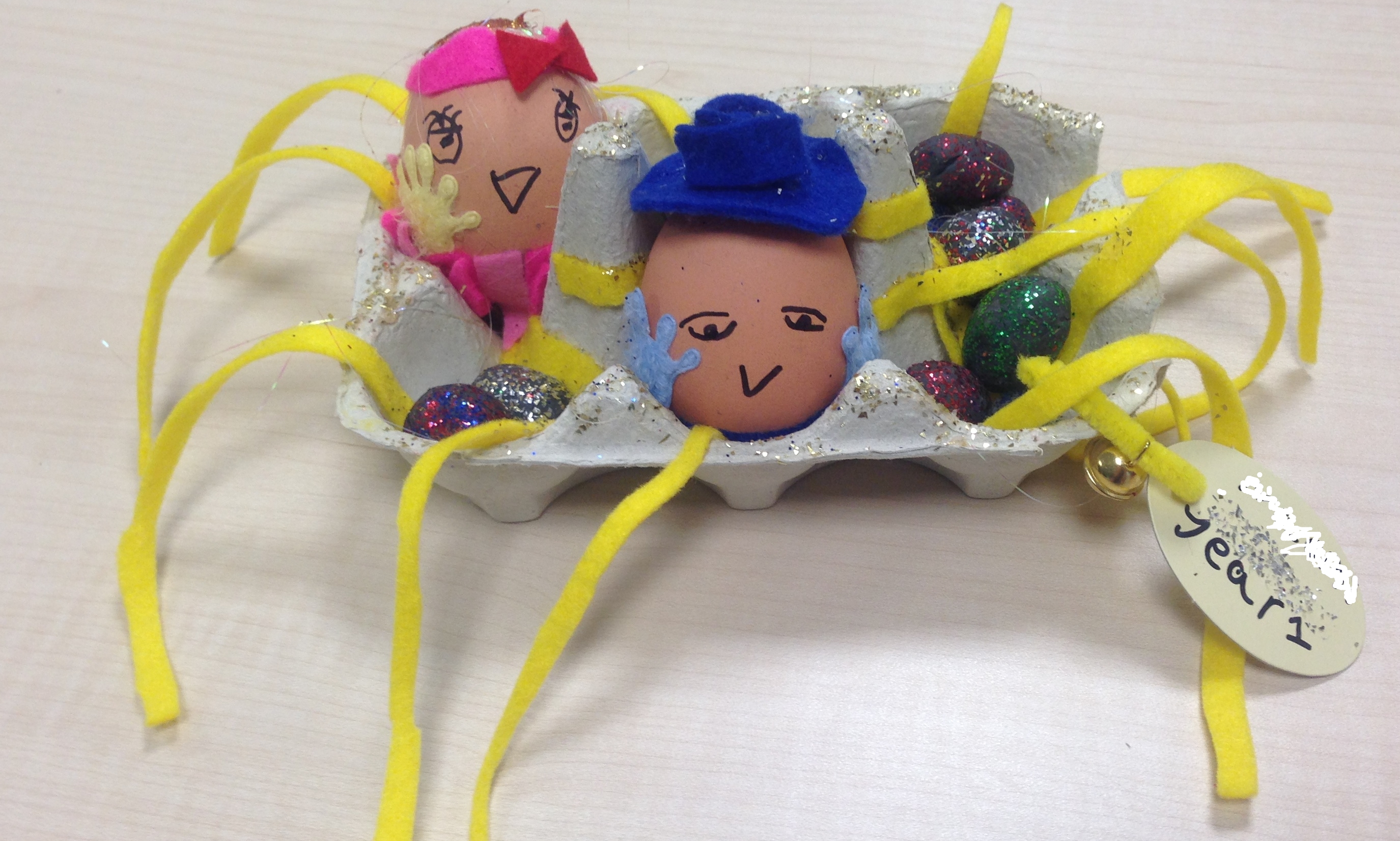
Image Bonnie and Clyde – eggs can be killers.

Pretty soon, the most coveted dinner party guests will be microbiologists. If you know any, you should cultivate them. Germs are coming back into fashion.

A lot of people have problems accepting that humans don’t contain any rare or precious elements, except metaphorically, like pearls of wisdom. No gold inside us, no platinum, no diamonds. No titanium, amber or crystals. Mostly water and cheap stuff, like carbon, nitrogen, sulphur and rust.

But there’s worse to come – a large part of us is not human at all – we are nine tenths made of bacteria – at least in terms of the number of cells. The gut ‘microbiotica’ is our largest organ, and possibly our most intelligent one. If the human body is run by a board of directors, the brain might be chairman, but the largest stakeholder is the colon. Definitely not a silent partner. Scientists have shown that the communication network between the gut and brain is a superhighway, the vagus nerve being the M1-near-Luton of all nerve pathways. Many neurotransmitters exist in the gut as well as the brain, and many of them were found in the gut first, such as cholecystokinin, a peptide hormone.

For decades, people were brought up to believe germs were the bad guys. After all, millions of people used to die of infectious diseases like cholera and tuberculosis, and these diseases are still prevalent in much of the world. Although such diseases are controlled mainly by public health measures rather than antibiotics, there is an awareness that resistant organisms are threatening to launch another era of infectious diseases. Already, there have been massive problems controlling outrageous punk – rocker organisms like clostridium difficile (the clue’s in the name).

I’m going to just introduce the phrase ‘faecal transplant’ and get it over with. But that’s how clostridium difficile can be treated. And that’s why there’s a website called ‘the power of poop’. The cure for bad bacteria is good bacteria. I don’t want to upset any readers who are germ phobic, though I expect they are already spraying dettol over the touchscreen and putting on a new pair of Marigolds. A small number of germs have got the others a bad name, just like badgers. We are going to have to stop killing them and start hugging them more. We will see a revolution in the yogurt industry similar to the real ale phenomenon of the seventies. Instead of Ski type products that have been sterilised and given an absurdly-soon sell by date, we will have yogurt with a bit of fizz to it with a ‘best after 2016’ label.

It’s been a while since I treated someone with a germ phobia, but I have a lasting memory of standing next to someone in their home, both of us with our hands pressed against the slimy surface of a kitchen sink, keeping them there for 20 minutes, time for anxiety levels to die down, doing some hands-on behavioural therapy. On this occasion I realised why Cognitive Behaviour Therapy was taking over – because it could provide a massive short cut. Rather than change the actual behaviour, why not look at the thinking behind the behaviour instead? This lady thought that even one germ could kill you. So, hands still pressed into the slime, we talked a bit about the germ theory of disease. People tend to assume that germs cause diseases by infecting people. This is only partly true, in that we have a powerful immune system, so that even the most aggressive organisms will not cause illness in everyone, or even a majority of people. There has to be a chink in the immunological armour, plus a sizable number of germs in the infective boarding party. This concept is called the minimum infective dose, which is usually millions of bacteria. One germ is hardly ever enough to cause an infection. In fact, landing on a human body is one of the worst things that can happen to a germ. It’s equivalent to being the first person up the ladder in an attempt to storm a castle. There are many kinds of immune response, equivalent to boiling oil. So that’s what I told her. It’s true that people can still catch cholera or tetanus, but statistically the chances of catching anything lethal from a sink in Edgbaston is national-lottery-level low (south of Hagley Road, anyway).

The problem for today though, is how to take a rational position on personal hygiene. Last week, at the seaside, I saw a child drop the ice cream out of a cornet onto the beach, only to be retrieved and replaced on the cornet and given back to the child without even a wipe. The child appeared to accept this without reaction or comment. Was the parent doing the child a favour in terms of building up immunity, or recklessly courting a nasty infection? Luckily, most germs will not get through the multiple defences of the upper GI tract, like the concentrated hydrochloric acid in the stomach. That seems to be a problem for so called macrobiotic remedies, which often fail to reach the minimal infective dose. Food outlets are stringently controlled for hygiene. In our cafe shop for instance, the volunteers had to put on plastic gloves between touching the food and the money, which slowed them down enormously, particularly if they had impaired fine movement.

This week however there has been renewed interest in raw milk, even suggesting that it may have health benefits long term. Yet, googling ‘raw milk’ suggests that it’s one of the most dangerous groceries, up there with eggs, peanuts and cantaloupes, in the food-borne infection league. All this makes it difficult to know what to tell germ phobics, in terms of psycho-education.  Recently a microbiologist told me not to eat potatoes that have gone a little bit soft or started sprouting. Apparently, they can contain very dangerous toxins. I confess, I never suspected the humble potato could be a mass murderer, though I was not surprised about cantaloupes, whatever they are.

People’s attitudes and behaviours around food hygiene seem to vary tremendously. Some of it comes down to ‘locus of control’ issues, and general perceptions of environmental threat. In the absence of a testable consensus on hygiene, we might just have to go back to old school marigolds-off behavioural therapy. If it turns out, as seems likely*, that ‘good bacteria’ can treat a range of diseases, possibly including Depression, some very careful marketing is going to be needed. For instance, the corporate colour scheme should definitely not be brown. It’s just a gut instinct.

* Dinan TG and Cryan JF, 2013, Melancholic Microbes: a link between gut bacteria and depression.  Neurogastroenterol Motil, 25, 713-719

59. Cutting costs to the bone and a few corners.

Image

Behind the scenes at Boots.

While we’re on the subject of newspapers (see 58) I’m wondering if the Sunday Times shouldn’t go on the top shelf at the newsagents, along with Total Carp and Darts Illustrated (Swimwear Edition). I’m seriously wondering if its worth queuing up behind the lottery victims, paying £2.50, just to have your world view tarnished and warped.
What is happening at the Sunday Times? Has the influence of Jeremy Clarkson begun to infect the other journalists, who have failed to realise that Clarkson’s work is ironic?
World war three will probably be a fight between thin people and the obese. I wouldn’t put money on the thin people – yes they can run faster, but they can be squashed more easily and might not survive a nuclear winter. In a bid to kickstart the war, Rod Liddle wrote a vicious attack on obese people, entitled: ‘Chew on this insult, lardbucket. It’s for your own good’.
Elsewhere in the paper we learn from Prince Andrew that failure is good for you. I wonder if he’s fully understood what his therapist told him.
And, if that’s not gratuitous enough for you, Camilla Cavendish writes an article this week entitled: ‘Dr Useless says he’s busy. Fine, I’ll be off to the pharmacist then’.That’s a bit more serious, in that Camilla Cavendish is on the board of the Care Quality Commission, and usually wears a serious writing hat to comment on health services, such as contributing an influential report advocating standard training for health care assistants.
The gist of the article is that doctors are very hard to get to see, ‘just to get antibiotics’. It takes weeks to get an appointment. Whereas you can just walk into the pharmacy shop and see a very nice man in a labcoat who will give you whatever you want straight away.
Does this article suggest there is a significant lobby in favour of reducing the role of GPs in favour of pharmacy shops? Private companies have been rather slow to muscle in on the general practice market. Tesco and Morrisons often have pharmacies, but never seem to offer medical specialists, not even dermatologists.
But more recently, Tesco and Morrisons have been struggling even to run the grocery section properly. Instead of supermarkets taking over health care, it’s more likely that the GP will start selling fruit and vegetables.
If one takes the view that a slimmed down health service will confine itself to drug therapies and leave the chat to the private sector, supermarket pharmacies might become the first port of call for the health shopper.
Like Trad Jazz and CBT, pharmacists have no natural predator – no-one has a bad word to say for them. That view could change, if they take on a more central role in primary care. Pharmacy shops are businesses that make their money from selling tablets and potions. Are they likely to offer a free consultation with a professional person and advise you just to wait and see? Or will they sell you some tablets? Will they give you Paracetamol for 16p or Panadol for 89p? I think you know the answer.
While some commentators are predicting that pharmacy shops will take over from GPs, I say: why not cut out the middleman altogether? And that is where Poundland comes in.
Luckily, mental health is a field where the very cheapest tablets are as good as the luxury products. The NHS doesn’t want to spend money on mental health, and isn’t going to. Luckily, it needn’t cost you a fortune either.
Don’t tell the Royal College I said this, but a reasonably sensible person with access to google and the Poundland Pharmacy, should it ever exist, could get a months supply of an effective antidepressant or antipsychotic for 99p. You could get some free counselling from a local religious organisation or the Samaritans and have enough left over for your bus fare and a flat white. I also wonder why Poundland can’t start a Sunday newspaper that’s a bit nicer to fat people and doctors.

58. Just asking: what would Englebert do?

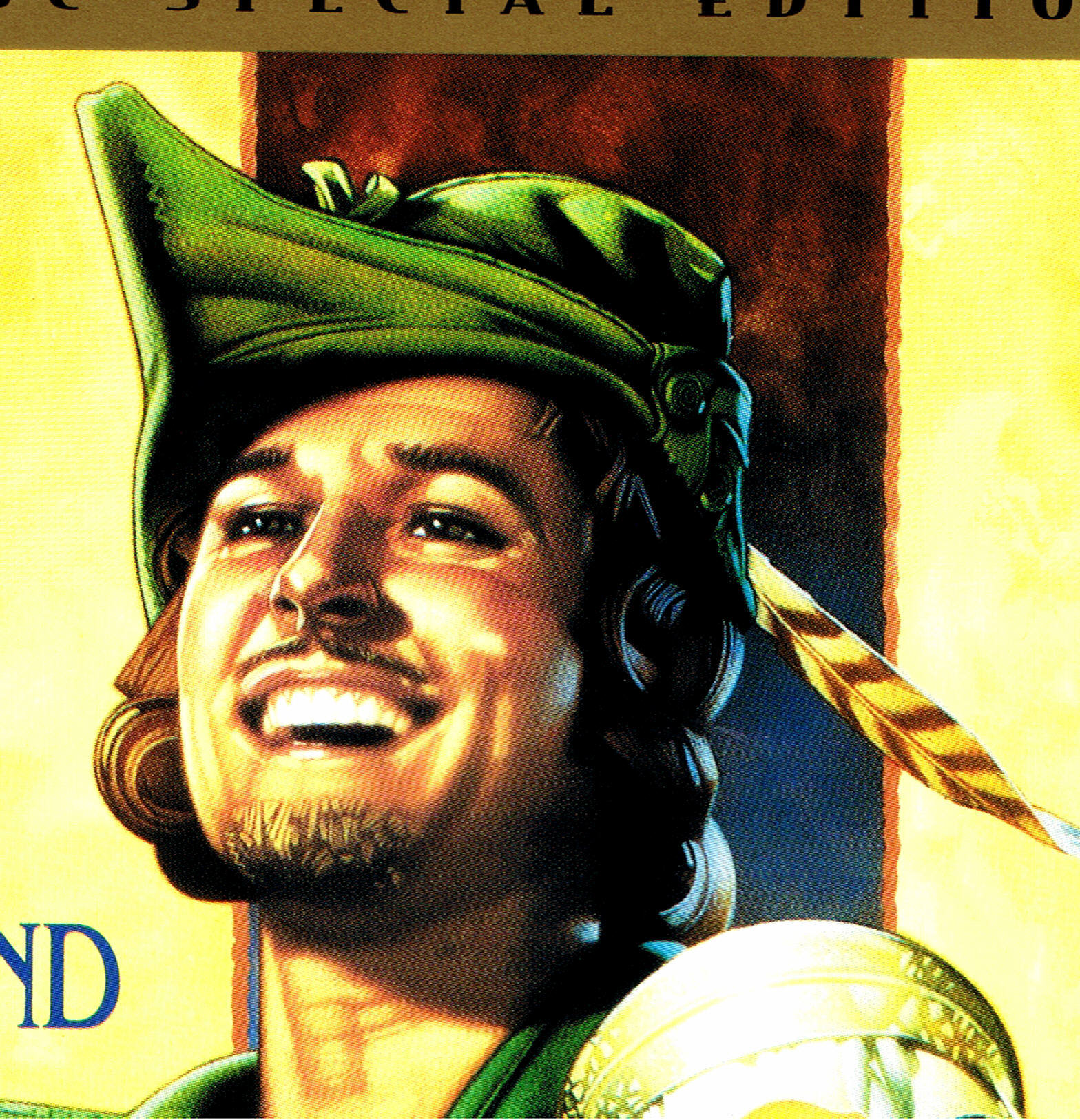
robin_hood_tax

Robin Hood: should have stayed out of Nottingham

DSC00668-001

Byron: should have stayed in Nottingham

Is it possible to develop a phobia of a specific town or city? If so, what is the correct term for an acute fear of Nottingham?

Don’t forget, a phobia, by definition, has to be irrational. However, there are plenty of genuine reasons to be afraid of Nottingham, in particular the possibility of making an unwanted left turn onto the Trams only zone, punished by a £30 fine and a humiliating picture of yourself, grinning foolishly, in your car, on a tramway.

We all know there is only one way of treating a phobia, and it’s not multivitamin tablets or fish oil.  Determine what the fear is, then – as Nike would have it – just do it. Which is why I find myself in Cafe Nero, near Nottingham station, shaking and hyperventilating and palpitating, as I type my negative thoughts into the Nokia: If I run as fast as I can, I will still be in Nottingham for half an hour before I reach the edge. It feels like being on a submarine or space station, without an escape pod, other than East Midlands Trains. I look round, but I can’t see a defibrillator handy, nor anyone who looks trained in immediate life support. For a moment I wonder if caffeine might really have a discernible effect on the nervous system – I’d always assumed this was a myth.

And then, right in front of me, I notice there is a discarded copy of the Daily Mail health supplement. Which is when I get distracted from my behaviour therapy program and morbid thoughts about sudden-adult-death-in-Nero-syndrome. Until Michael Gove puts more basic medical science onto the school curriculum, we have to make do with the health pages in newspapers to find out how our bodies work. As I read through, I learn the following:

Under the headline, ‘The allergy delusion’, it is reported that many people who think they have allergies, or have even  been diagnosed with allergies, are not really allergic. There’s a long story about someone whose GP has told them they had dairy and gluten sensitivity, only to find out from a proper doctor, with a labcoat and microscope, that they had Crohn’s disease the whole time.

Next, I learn that International Singing Superstar, Englebert Humperdinck, (ISSEH for short) suffered from asthma which completely went away after four sessions of acupuncture. Without acupuncture, ISSEH would never have been able to achieve 25th place in the Eurovision song contest. ISSEH’s mother was told she had just a few weeks to live, but following acupuncture, lived on for years.

There are many other fascinating stories. A Psoriasis sufferer had been cured completely by Cognitive Behaviour Therapy. It can be dangerous to suppress a sneeze. Vitamin D is unlikely to do any good for most people. Central heating makes you fat. Lifting weights can harm your eyesight. Migraine can be managed by a magnetic machine about the size and weight of a house brick. It has a handle at either end and is applied to the skull.

I learn that it could be bad for you to keep pressing the snooze button on your alarm clock. Snoozing only makes you more tired. By rights, the button should be called ‘procrastination’, but there isn’t room to write the proper word.

Medicine as reported in newspapers represents an entirely different, yet parallel speciality. In the Hospital of Newspaper Medicine there are several floors devoted to alternative medicine. There is a huge department of Bogus Nutrition. These patients all appear to be slim young females in gym outfits. The mental health floor is convinced that CBT and Mindfulness can cure any condition. The upper floors are filled by keyhole surgeons and computer controlled robots. The medical wing is full of machines the size of house bricks that go beep. Again, all the patients are slim young females in gym outfits.

Yet in the basement of this hospital there is a well resourced Debunkology Department, where last years miracle drugs are revealed to be the stuff of nightmare. Last year Statins were supposed to make us all live till 120. Everyone should take them.This year the Guardian tells us that Statins have become ‘a monster that no-one can kill’.

I think I’m beginning the get the hang of Newspaper Medicine. News has a kind of cycle with a fast turnover – build things up, knock them down. It’s the same treatment as celebrities and football managers. By comparison, Dr Google and Dr Wiki seem like paragons of truth. Something seems to happen to journalists that makes them bitter and twisted. I’m guessing it’s the fact that any old person with a computer and $20 for a website can be a writer nowadays, even an escaped psychiatrist. Newspapers seem to suffer from excess bile, which is probably why they go yellow after a few days.

What would they make of someone who had become phobic to a whole city? My guess is one quick article about Total City Allergy Syndrome, with a tip from ISSEH suggesting acupuncture got him over the problem he had going to South Wigston. Only to be followed by a rapid debunking exercise making it clear that City Allergy Syndrome is a delusion or possibly a benefits fraud.

Along the lines of the Tintern Abbey joke lets try this one:

Patient: Doctor, I have an irrational fear of a large industrial city in the East Midlands.

Doctor: It’s Nottophobia.

Patient: Yes it is a phobia.

No? I’m sure Stuart Lee could make it work.

57. Selecting the right animal charity, and other questions.

Image

Another Free School fails OFSTED.

Some people seem to question everything and some seem to question nothing. And then there are those in between. This week EP attempts to address some of your burning issues, so you don’t have to. Why not send in some more for next week?

Q. Is thinking driven by continual questioning?

A. No, it is driven by nicotine, chewing gum and certain types of chocolate.

 Q. Is Mindfulness the new Mom’s apple pie?

A. That’s probably a bit too concrete and  three-dimensional. It is perhaps more the new Angel Delight, or Dream Topping.

Q. My son has built a scale model of Stockport with fingernail cuttings. Should I call the early intervention team?

A. I’m afraid it’s too late. Try entering him for the Turner Prize.

Q. Should I give more money to charity or try Random Acts of Kindness?

A. It’s best giving to a highly specific charity, rather than one where most of the money goes to a bloated bureaucracy in Chelmsford. Some of my favourite charities are animal related, for instance, Pyjamas for Llamas, and Maracas for Alpacas. The latter is based, I think, in Caracas. If you want a random act of kindness, give the lollipop lady a bullfighting outfit. Tell her it’s just a question of reframing.

Q. Most people assume they are healthy unless they have symptoms of an illness. I’m the other way round – I need constant proof that I am well. Should I be worried?

A.This is called the Inverse Health Cognition. It may just mean you’re American. Otherwise, Kindles and Ipads have very long battery life nowadays – these will get you through long periods in doctors’ waiting rooms.

Q. Why do medical students ask questions all the time, instead of the old system, where I ask them questions?

A. Because the signal strength in hospital is too poor for google to work properly. You are the next best thing. Take it as a compliment.

Q. I’m having trouble understanding the changes to the NHS. Can you explain them?

A. It’s a complicated model, based on the old British Empire. It’s a mixture of colonial administration, piracy and gambling. Don’t forget, the British Empire never went away – they just moved the headquarters to Washington.

Q. What can I do about writer’s block

A. What I do is write in the form of Questions and Answers. If that doesn’t work try Lactulose.

Q. Is it true there is no real person called Ted Baker? My beliefs are shattered.

A. Nothing is as it seems. Compared with faking the moon landings, this was a pretty easy deception. Colonel Sanders was real, but he wasn’t a real colonel. The chicken doesn’t come from Kentucky either. Does it even come from chickens? I bought a Giant bicycle, only to find it was the same size as all the other bicycles. Same thing with Tiny Computers. As Peter O’Toole observed in Stuntman, King Kong was really only six feet high. The list goes on…

Q. If World War Three happens, where shall we hold it?

A. The middle east, during the summer, is completely stupid, see World Cup 2022. Conversely, Russia is too cold. It all points to Belgium, if there’s room.

Q. Have you had any more ideas for blockbuster movies?

A. It so happens yes. My latest idea is a sci fi / historical / heist movie: A team led by John Sentamu, Archbishop of York, mounts a daring raid in an attempt to steal the bones of Richard III from Leicester University’s high security archaeology wing, reclaiming them for York. Only to find, when they break into the lab, that the genetics department have actually re-created Richard III himself from traces of DNA. He’s angry. He wants his kingdom back. And the last place he’s going is Yorkshire. That’s all I can give away at this stage, Brad.

56. Making the Co-op a bit more Hendrix.

Image

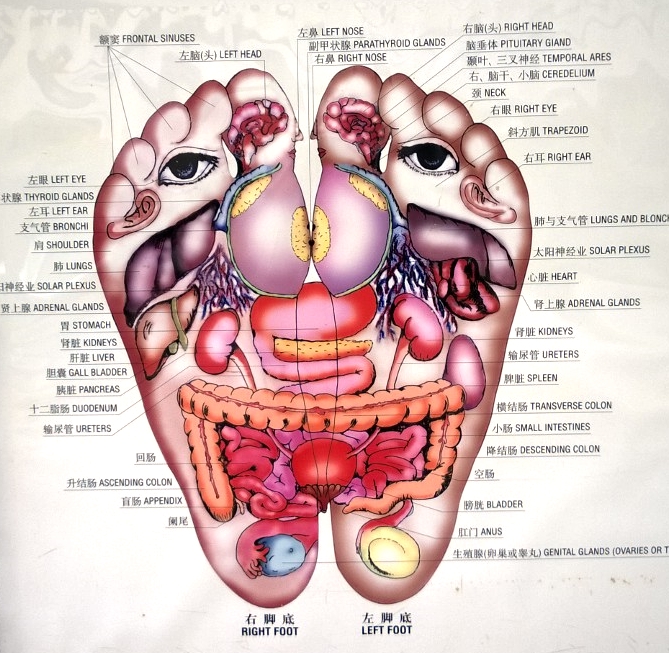
An early attempt at the anatomy pop-up book.

Almost every medical problem in some way boils down to a faulty feedback cycle. The simplest examples are endocrine diseases like diabetes, but the model can be applied to cancer cells, where cell division fails to switch off, and immune diseases, where antibodies mistakenly attack a person’s own tissue. A lot of economic or political debate falls into this same category of trying to fine-tune a system. For instance, using higher interest rates to reduce borrowing, or tougher sentences to reduce crime. Sometimes a system breaks down, failing to respond to feedback, like the heating systems on East Midlands Trains, which have fallen victim to the fashion for Hot Yoga.

Today, we learn that the Co-operative Group is ungovernable. That seems like an over-reaction, based on my experiences at the local Co-op supermarket. But when I think about it more carefully, the signs have been there for a while. Firstly, the car parking spaces went from impossibly narrow to Humvee size. Then there were the yellow sticker reductions – from £2.99  to £2.97. Not enough action there to clear a pile of steak pies facing a tight sell-by date. And when the pet food and pet product aisle became longer than the people food section (I accept there’s an overlap), we should have seen the writing on the wall. As well as the actual writing on the wall, which says ‘Laura H is Easy’.

During its flirtation with electricity, Psychology showed an interest in Biofeedback. This was an attempt to exert conscious control over a supposedly unconscious function, like blood pressure or heart rate. To learn this, a person needed a machine that would continually measure and reveal the reading concerned, and a system of relaxation. You can still buy biofeedback machines, but they are competing with tablets like beta blockers that don’t need plugging in. There could be a biofeedback revival once access to Functional MRI gets easier, for instance if you can get one on your android phone. For Apple you’d need the £25 adaptor.

I just got back some feedback on myself, from colleagues and patients, in the form of a so-called 360 degree assessment. We have to do one every five years. It seems like a slow process, but that’s about 20 times more frequent than the Cooperative Society. Alleged ‘crystal methodist’ and adult-content-consumer Paul Flowers, who chaired the co-op bank until last year, apparently did very well in aptitude and psychometric tests prior to his appointment in 2010. I suspect he’d have passed his 360 with flying colours too. Flowers was said for instance to have been excellent at engaging other people’s views. History may yet regard him as a great chairman. If he’d worked in the NHS he’d have been reinstated by now in a different branch at twice the salary.

To make feedback work we need to make the sampling frequency higher and the amplitude lower – a process that cuts in as soon as someone goes ‘off message’. Something more akin to the kind of feedback Jimi Hendrix achieved in his version of Star Spangled Banner. Imagine a system for instance that connects a politician or corporate giant to a brain imaging device. This could display his brain activity as he goes along, either to himself on an autocue, or to the audience, on a powerpoint display. Similar techniques have been applied to audience feedback during political speeches and even movies, using appreciation buttons.

Amazon apparently know which are the best pages in novels, based on how quickly they are read. Imagine what the great novelists could have done with this technology. Maybe it would have stopped characters suddenly dropping dead from a chill, or selling their wife at a market. Or making Laura H, suddenly, ‘difficult’.

It’s said that people who become habitual liars fail to notice whether they are even lying or not and even come to believe their own lies. Yet lie detectors have been around for decades. We already have a host of biological measurements such as EEG and skin conductance. We already have heads up interactive displays such as Google Glass. We already have portable electric shock devices. And somewhere in the world there is probably a large pile of testicle electrodes. Surely it won’t be long before someone connects up these technologies?

55. Saving the early intervention service, till later.

Image

An uneasy meeting at a fancy dress party.

It’s official. Children cost too much. Childcare costs more than a mortgage. If you have children they might stop you going to work, and they eat a lot too. Shouldn’t people be told this sooner? Worse than that, children don’t come with any kind of guarantee, and more of them seem to be going wrong. If Toyota had made them there’d be a recall. And soon a Commons Committee on young people’s mental health will start its proceedings.

Though there are rumours that mental health problems among teenagers have increased, there has not been a proper survey since 2004, when the world was very different. It’s hard to believe, but they didn’t even have Instagram in those days, let alone Whatsapp. People wore top hats and tail coats and travelled by horse, particularly the women.

There are lots of theoretical reasons why it’s got worse to be a teenager. Legal highs are widely available, the Harry Potter series came to an end, and no-one is far enough beyond suspicion to take over hosting Jim’ll Fix It, unless Desmond Tutu can be persuaded. Large numbers of youngsters have been sent to remote labour camps, or universities as they are now known. Employment opportunities as footballers and TV presenters, the only jobs worth having, have largely dried up.

Sadly, if a generation of teenagers became psychotic or depressed, no-one would really notice. Part of the blame belongs to British psychiatry and its strange tradition of age discrimination. For some reason we have different specialists for young, adult and older people, as though they were totally different forms of life – like eggs, caterpillars and butterflies respectively.

There’s a kind of reason for that, in that young people don’t really get the same kind of mental illnesses as adults. Psychotic conditions are very rare in children, or so we thought. ‘Early intervention’ services were an attempt to plug the gap, at least for older teenagers who seemed to be showing signs of schizophrenia. Early intervention was a laudable aspiration, but didn’t get much beyond that, since there was no litmus test for psychosis. The services were overwhelmed to an extent, by the numbers of children with emotional disorders, such as so-called ‘borderline’ personality; problems that,in a sense, flow from children being treated as commodities instead of people.

To cut a long story short, another tonne of anti-psychotics wended its way to the sewerage system, some of it via people. The early intervention services have been pruned back rather savagely, before they had a chance to flower. Doubtless the Commons Health Committee will come to regret this. In the meantime, services for teenagers are largely restricted to a skateboard area and free condoms at the library, for those who are brave enough.

When the large mental hospitals were closed down, some people warned that community services would be much easier to cut. It’s to do with visibility. Some of the asylum hospitals were the size of aircraft carriers; quite likely some of them had their own Harrier Squadron. They certainly had farms, ballrooms and cricket pitches. Everyone has noticed they’ve gone.

The coalition government has been quite tough on aircraft carriers, and luckily there won’t be one to send to the Crimea. But having a carrier with no aircraft to go on top is a major embarrassment. It’s like a Christmas cake without the marzipan, let alone the little decorative church and snowman. Similarly, having a hospital full of closed wards looks a bit wasteful. But if a care assistant only comes half as often, for half as long, or doesn’t visit at all, no-one really notices.

And if your psychotherapist turns out to have one years training at a community college, rather than the 25 year apprenticeship in Vienna and the multiple doctorates you’d expected, it’s hardly a big deal to anyone. Low tech services have a soft underbelly, as do many of the people who work in them – too much driving about eating petrol station sandwiches.

As the community mental health services are scythed back, we hear only a few muffled squawks from politicians. Nick Clegg (deputy prime minister and Britain’s answer to Al Gore) popped up in January, stating that mental health must be given parity with physical health. ‘We have got to take this out of the shadows’, he said. And we can expect a further survey on teenagers’ mental health, probably conducted by social media. But does the government have any coherent plan for teenagers, or are they considered, as a Bond villain might say, ‘expendable’? After all, they don’t vote and they don’t pay much tax. As a species, humans have a reasonable life expectancy at birth, which is a miracle, considering we ride bicycles, but perhaps this is set to change. It’s a bit ominous that youngsters are now being told that world war one was a useful outing.

With the demise of early intervention teams, there should be a move for adult and child psychiatrists to work together more closely, but I see no signs of this. They just drive a totally different kind of Audi.

During vacations I always got a child psychiatrist to cover my work, which he did brilliantly. I doubt whether I’d fare so well with his patients, unless he wanted half of them put on depot injections, and a tonne of complaint letters from parents. And I’m not sure if they still have sandpits to play in, so I wouldn’t know whether to bring my own bucket and spade.

Maybe a reverse takeover is in order, where children’s services take over and everyone is regarded as a child. This is perhaps the only way that children can get treated equitably. The danger is Ofsted staging a coup and taking over the government. And everyone would have to have a CRB check, just to meet anyone else at all. Treating everyone like children has worked well in lots of countries – you know who you are, nanny states.  Perhaps Nick Clegg could consider this. Otherwise, teenagers, like Hank B Marvin, are just going to have to ‘stay in the shadows’.

54. Looking at parallax, from a slightly different angle.

Image

Electric horses – the next big thing in personal transportation.

A man talks to a phone-in show on Piccadilly Radio. He says the TV aerials in the next street are of an unusual type and point a different way, not towards the transmitter. Finally he mutters the word, ‘aliens’. The radio host asks him whether he has checked for seed pods under the stairs. The joke is a bit lost on those unfamiliar with ‘Invasion of the Bodysnatchers’. The host finally grows inpatient and cuts off the most interesting guest of the day, before I can get an impression of whether he is psychotic or not.

One of the intriguing questions in public health is how many psychotic people there are hidden away who have no contact with the NHS. Surveys suggest that 1% of people have schizophrenia, which is a much higher number than we see in clinics. Have these surveys over-included a lot of people who, on the face of it, seem deluded, but on closer examination, simply share widely held beliefs about conspiracy?

On a long plane flight this week I read a book by Andy Thomas, called ‘Conspiracies – the facts, the theories, the evidence’. One of many questions that occurred to me, was why had this book suddenly been reduced in price from £6.99 to 99p? It’s hard to believe that Amazon doesn’t form part of the New World Order, the secret power said to be behind many attempts to deceive us. Maybe this book is in itself a diversionary tactic, or a tiny wink of knowingness that Big Brother gives us from time to time.

A surprisingly large number of people believe that Princess Diana was murdered or that the twin towers were brought down by some faction within the USA. In fact a surprising number of people believe both that Diana was murdered and that she is still alive. Chalk that one up to cognitive dissonance theory.

If some or all of these theories turn out to be true, it would definitely change a person’s view of the world, from that of a relatively safe place to a dark, dangerous and threatening one.

The fact that there are so many people who believe in conspiracy, and that certain conspiracies, such as Watergate, turned out to be true, raises a lot of interesting questions for clinicians.

As psychiatrists, we are taught not to get delusions mixed up with religion, politics or superstition. To be called delusional, a belief has to show a clean break in its logical development. Conspiracy theorists work with an alternative chain of logic, rather than a deluded person’s new canvas of meaning. Though many people who are psychotic suffer from persecutory type ideas, it is very rare to confuse a psychotic person with a ‘truth seeker’, as conspiracy theorists are now known, despite some very bizarre truth seeking theories, such as thinking the royal family are lizards.

There is probably very little point in trying to work out why people develop strong beliefs. The answer is ‘all sorts of reasons’. As far as delusional beliefs go, the best answer we have come up with is ‘because of a disease process’. Although delusions are held strongly, most non-delusional belief is held lightly and easily changed in the face of further inquiry. For instance, it is reported that when faced with medical need, many catholics will opt for a termination of pregnancy and that many Jehovah’s witnesses will change their minds in favour of blood transfusion. Most opinion surveys test only the topsoil of belief, and are designed to do so, by whatever vested interest is controlling the survey.

Psychiatrists are not in a hurry to identify beliefs as delusional, and despite what is said about the old Soviet Union etc, it has not been necessary for oppressive regimes to use tame psychiatrists to label dissidents as psychotic. Oppressive regimes are able to lock people up or have them disappear without pretending they are ill.

While psychiatrists don’t seem to be playing much part in locking up dissidents, they may be complicit in some more sophisticated subversions. In particular, psychiatrists play a major role in the drugs pipeline, the one that runs from a chemical works in Hull to your meso-limbic system and mine.

For instance, a steady stream of people come to outpatient clinics ‘wanting the diagnosis’ of bipolar disorder. (See Post 28). The exponential growth in the Bipolar Industry has been well described by David Healy, in his book, Mania: A Short History of Bipolar Disorder. Tellingly, this book has not been reduced by Amazon, so it probably contains some sinister truths we are not supposed to hear.

The key parts of this conspiracy are as follows: No useful new drugs have been developed in mental health for 20 years. Instead, the pharmaceutical industry has chosen to expand the market for drugs already on the market. Hence we saw a complete re-branding of ‘manic depressive disorder’ into ‘bipolar disorder’, massively expanding the diagnostic concept by including so called ‘bipolar II’ and ‘bipolar spectrum disorder’.

The outcome was a massive increase in the numbers of people with miscellaneous temperamental problems being given so called ‘mood stabilisers’, either atypical anti-psychotics or anticonvulsants, both being items from Boots’ ‘fat and sleepy’ aisle.

It took a lot of time and money to do this, and large numbers of psychiatrists collaborated in the process. There is a strange relationship between certain academics and clinicians and the drug companies and by strange relationship I mean free lunch – in Belgium.

In fuddy-duddy Britain, there is now endless conflict between psychiatrists and wannabe bipolar patients, but the signs are that the psychiatrists are surrendering. The customer is always right, especially if he is persistent, sharp-elbowed and well-googled.

We saw the same pattern in children’s mental health services. Once upon a time it was extremely rare to be diagnosed with Hyperactivity in the UK. A child had to be hyperactive all the time, not just between 4pm and KFC time. Even then, the use of psycho-stimulants like Ritalin was rare, and couched in cautionary warnings, like ‘use only as part of a carefully controlled therapy package, including social and family interventions’. Today’s community paediatricians basically fly crop dusting planes over the countryside, spraying Ritalin wherever they see a school.

Does someone have an agenda that includes more and more people taking mind altering drugs? It’s hard to imagine that a proper dictator would like to see cohorts of drunk women staggering round York on Friday nights, or lines of people queuing up for methadone outside Boots every morning. But then its hard to work out why the existing drug laws are not enforced, or why more and more heroin came out of Afghanistan despite the war in that country, or why our ward has a filing cabinet full of confiscated ‘legal highs’. Is it feasible that legal highs cannot be controlled by legislation, when there is legislation that makes Tesco throw away half its food, and legislation that stops me from connecting a gas fire?

Would a genuinely repressive regime be happy for millions of its citizens to take antidepressants, in some misguided hope that they would become more docile or cheerful in times of adversity? Marx is quoted as saying religion is the opiate of the masses, but perhaps the word he actually used was Ritalin.

The culture of propaganda has a lot to do with the rise of conspiracy theory. In the public sector we are routinely spun false statistics and like to pretend we are providing an excellent service. In mental health Trusts we want to pretend we are offering psychotherapy, when really we are offering only a nice chat, checklists and tablets. Its a kind of cover up, but we’re not in Jason Bourne territory. It’s obviously a lot cheaper to fiddle the statistics than to provide real therapists or policemen.

My colleagues are probably sitting tight, waiting for the Bipolar II epidemic to subside. Just like the Ritalin kids, the new wave ‘bipolar twos’ will soon be be stuffing their tablets behind the radiator. At the moment some people view a diagnosis of bipolar disorder as a get-out-jail-free card, in case of a minor indiscretion. These will get devalued if more people use them, instead of throwing doubles or paying £50 . Even now, fewer celebrities are coming forward purporting to have Bipolar II, and they are probably going back to having narcissism instead.

The conspiracy between Big Pharma and eminent psychiatrists will find a new condition supposedly amenable to antipsychotic drugs, such as food intolerance, or somatic symptom disorder. Then the experts and drug reps will be back in their Audis again at another round of conferences.

Sadly, most conspiracies don’t involve lizards or the CIA. Nor even do they involve a secret Mister Big, played by Morgan Freeman . They are just about drumming up trade. How boring is that? The new world order is just business as usual.

53. Eating brunch, with keen social observers.

Image

A five factor system based on skin conductance, showing that shy and bashful are not the same

Fed up with being an armchair sociologist, at the weekend I did some field work in Camden, in search of Hipsters. Accompanied by expert guides, we went to a comedy club, the Norfolk pub and Food Lab for brunch. From time to time I asked my guides if there were any Hipsters around, and they would discreetly point them out. It’s a lot better than birdwatching or trainspotting, because Hipsters are found in warm places with excellent coffee, rather than flooded wetlands, or Stevenage Station.

In Islington, at brunch time, most restaurants are full and we are turned away a few times. In Food Lab, to get us in, a bloke with a Macbook who has probably been there for hours, has to be moved on. My guide points out a girl near the window in a brown hat, with a boyfriend who looks like Brad Pitt. The girl is a Hipster, but not the boyfriend, I am assured. I remain puzzled.

It’s always been difficult for psychiatrists to categorise types of people. We mainly look for familiar patterns – people who look and behave like patients we have seen before. In Camden though, that’s practically everyone.

For decades, psychologists attempted to measure personality, using various scales and measuring techniques. The most surprisingly successful of these is the so called Myers Brigg Type Inventory, which is widely used by business types, and hardly at all in clinical work. Myers Briggs was not trained in psychology and it shows.

To be fair, psychology is a young science, and plenty of people dabbled in it who’d struggle to flip a burger through 180 degrees. The Myers Brigg system is based on the work of Jung, who was also not trained in psychology (and it shows), and divides people into 16 different types. You will get a four letter code, like ISTJ, at the end of it, which is about as useful as knowing you’re a Gemini. Try telling your hairdresser you’re an ISTJ for instance.

The Myers Brigg inventory struggles when it comes to validity and reliability, just like horoscopes.  And four digit codes are so difficult to remember. I get mine confused with MDMA, which is ecstasy, and NMDA, which is a nerve cell, not to mention CSNY, which is Crosby Stills, Nash and Young.

Briggs Myers’ only work of fiction, the novel Murder Yet to Come, published in 1929, won the National Detective Murder Mystery Contest for that year. It applies her ideas about personality type into a murder mystery and sounds like she foresaw Minority Report.

In parallel with Myers Brigg, we had the ‘16PF’, which also attempted to divide people into 16, and the MMPI, which had no particular core theory of personality, except to establish how similarly you answered questions to a group of 1940s  american psychiatric patients.

By the time MMPI -2 came out, in the eighties, all this statistical pomposity had been swept aside, by the Mister Men books. This established a series of simple, face-valid types, each with good graphics and the behavioural phenotype explained in a brief, amusing narrative. There are at least 49 Mister Men books, with a further 42 in the Little Miss series, giving at least 90 categories.

Unlike the four-capital-letter systems, the Mister Men series could easily replace the ICD-10 diagnostic system. Instead of which the NHS has gone for a clustering system with 21 categories. Don’t they realise that dice only have 6 sides? There are certain numbers that are used for systems like this, we know this from Ancient Babylon. Useful numbers must divide into 60. Just look at Time and Money.

If 90, or even 16, is too many categories to bother with, how about using just 3? Shortly before he died in 1997, Hans Eysenck gave a talk in Sheffield and our clinical tutor hired a coach for colleagues and trainees to go and see him. On the night of his talk there was dense freezing fog and only two of us turned up. We went anyway, arriving very late and missing most of his talk. Worse still, we were welcomed enthusiastically to the front of the hall by the chairman, like being picked on at a comedy gig, and the talk was about support groups for cardiac patients rather than anything controversial, like personality typing.

Eysenck used a two factor system to describe personality, these being Extroversion and Neuroticism. Much later he added a third dimension, called Psychoticism, adding a bit of chimp. Again, popular culture was way ahead of psychology. The beat generation had developed an axis which ran from Cool to Square. This was almost sufficient to describe what a person was like, but it proved necessary to add the dimension of Geekiness, which runs at 90 degrees to Cool-Square, or ‘orthogonally’, as a geek would say.

One of my proudest moments was when I was buying some pipe insulation at Pipeline Center, note the edgy use of US spelling, and the assistant, who was called Clinton, pointed excitedly at my watch and assured me it was the geekiest thing he had ever seen. Scoring Low on Cool, Low on Square even, but high on Geeky. A new dimensional system was born.

Which brings us back to Hipsters, who could almost certainly be defined as people who would never visit Pipeline Centre, unless they were sculptors working with tubes.

Hipsters are mainly cool, but a little bit square in some ways, and quite geeky. The web is full of Venn diagrams explaining all this. It’s been said that Hipsters cannot be categorised, since this would, of itself, make them too mainstream.

If Jung and Myers Brigg had spent more time in Islington and Pipeline Centre, they could have saved themselves a lot of time and trouble. Roger Hargreaves has made them look Silly. Apologies to the guy who was moved on at Food Lab, I’ve just realised you were probably doing field work too, but without guides.